
The End State of Industrial Automation: Why Hybrid Solutions Are Here to Stay
Introduction: Beyond the Hype of AI Agents
Many companies now focus on AI agents. However, the real future is more complex. UiPath’s Chief Marketing Officer, Michael Atalla, explains the lasting value of hybrid automation. He argues enterprises need a mix of rules-based workflows and AI.
Hybrid Automation: The Permanent Operating Model
Atalla states hybrid technology is the final goal for automation. This mirrors cloud adoption. Initially, many predicted a full shift to public cloud. In reality, hybrid and multi-cloud models became standard due to regulations and existing systems. Industrial automation, including PLC and DCS control systems, follows a similar path. A hybrid approach blends reliable, deterministic processes with adaptive AI agents. This ensures both precision and flexibility.
High-Stakes Deployments Drive Real Results
Successful AI implementations often happen in critical areas. For instance, CSL Behring uses UiPath for sensitive plasma processing. These are not cautious pilots. They are risk-heavy deployments. Success comes from strong governance and validation built from the start. Therefore, problem selection and robust testing frameworks matter more than the AI technology alone.
The Four Pillars of an Agentic Enterprise
Enterprises need more than just agents. They require a complete operating model. UiPath focuses on four key elements. First, core automation includes both robotic (RPA) and agentic systems. Second, orchestration connects humans, machines, and end-to-end flows. Third, integrated testing acts as a control mechanism for building trust. Fourth, developer tooling ensures the system can scale beyond specialists.
Governance is the Foundation for Trust
Security and oversight are critical in factory automation. Agents handling sensitive data pose significant risks. UiPath leverages its enterprise experience to provide visibility and policy enforcement. Effective governance is operational infrastructure. It allows autonomy within safe, observable boundaries.
Vertical Solutions: From Custom to Packaged
UiPath now offers industry-specific solutions. These are based on proven customer deployments in insurance, manufacturing, and retail. The strategy productizes successful patterns. It reduces implementation time. As Atalla notes, sometimes a specialized tool is better than a generic one.
The Strategic Role of the Ecosystem
No single vendor will dominate the AI stack. The future is a multi-vendor ecosystem. UiPath aims to be the orchestration layer. It integrates various AI models and systems. This approach is similar to Apple licensing third-party AI. The goal is to be essential middleware.
Author’s Analysis: The Pragmatic Future of Automation
The market narrative often favors full autonomy. However, real-world enterprise needs favor hybrid models. Deterministic workflows, human oversight, and AI agents are interdependent. The scaffolding that ensures reliability and safety is becoming the true product. Companies like UiPath may not own the AI models, but they can own the trust layer. History shows hybrid architectures persist. In industrial automation, operational trust will always outweigh architectural purity.
Practical Application Scenario
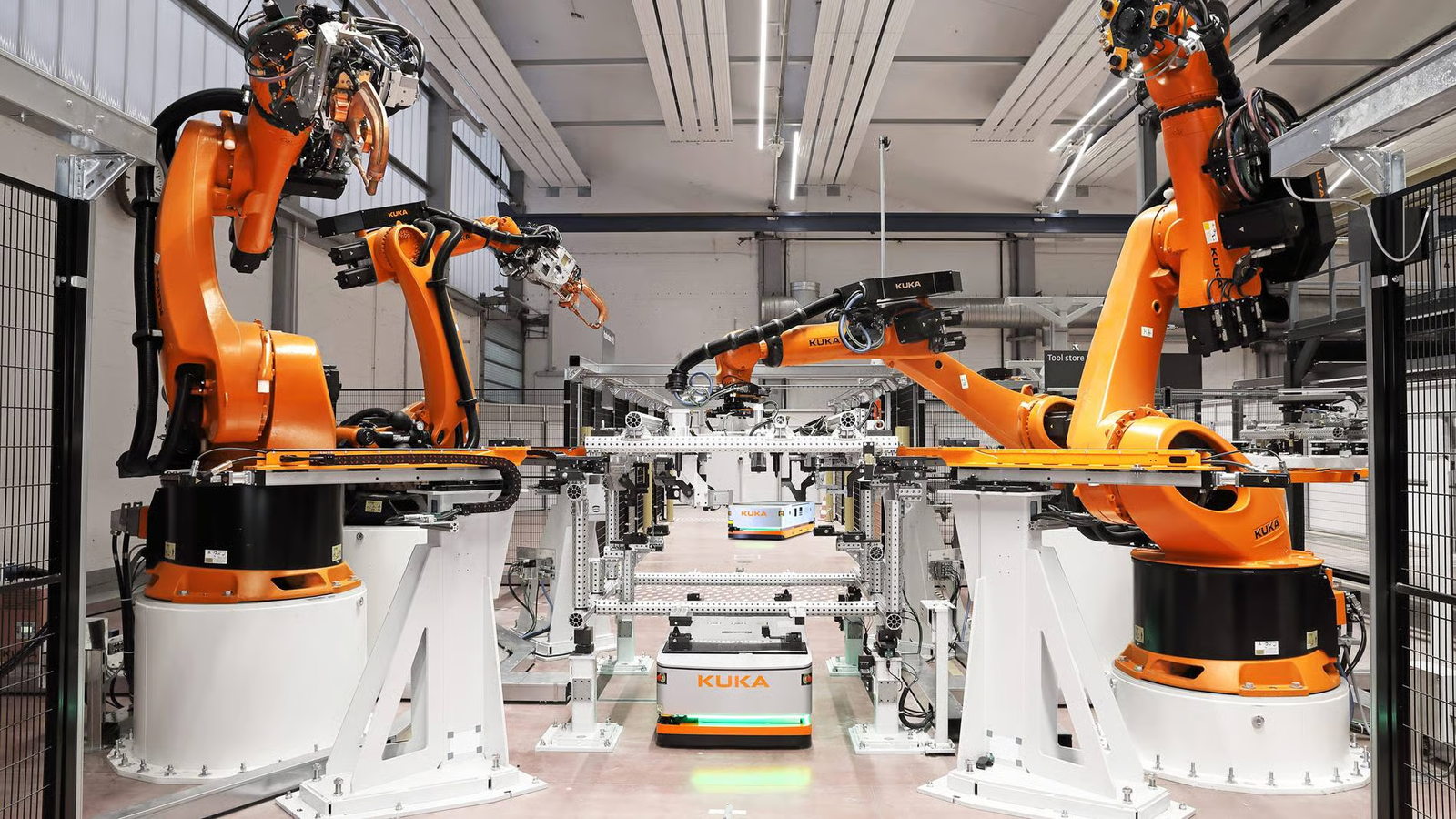
Consider a manufacturing plant using a DCS for process control. A hybrid automation platform can manage routine, rules-based production sequences via the DCS. Simultaneously, AI agents can analyze sensor data for predictive maintenance alerts. Orchestration software coordinates these systems and notifies human engineers. Integrated testing validates all agent actions before they affect production. This setup maximizes uptime and safety.
FAQs: Hybrid Industrial Automation
What is hybrid automation?
Hybrid automation combines traditional, rules-based systems (like RPA, PLCs) with modern, adaptive AI agents to balance reliability with intelligence.
Why is governance so important for AI in automation?
Governance provides the security, audit trails, and control mechanisms needed to deploy AI safely in high-stakes industrial environments.
How does orchestration work?
Orchestration software acts as a conductor, managing workflows that involve humans, legacy machines, software robots, and AI agents in a cohesive sequence.
Is hybrid automation just a temporary phase?
No. Similar to hybrid cloud, it is viewed as a permanent, pragmatic operating model shaped by technical and regulatory constraints.
What industries benefit most from this approach?
Regulated and process-heavy industries like pharmaceuticals, manufacturing, and supply chain see significant benefits due to their need for both precision and adaptability.
 No products in the cart.