
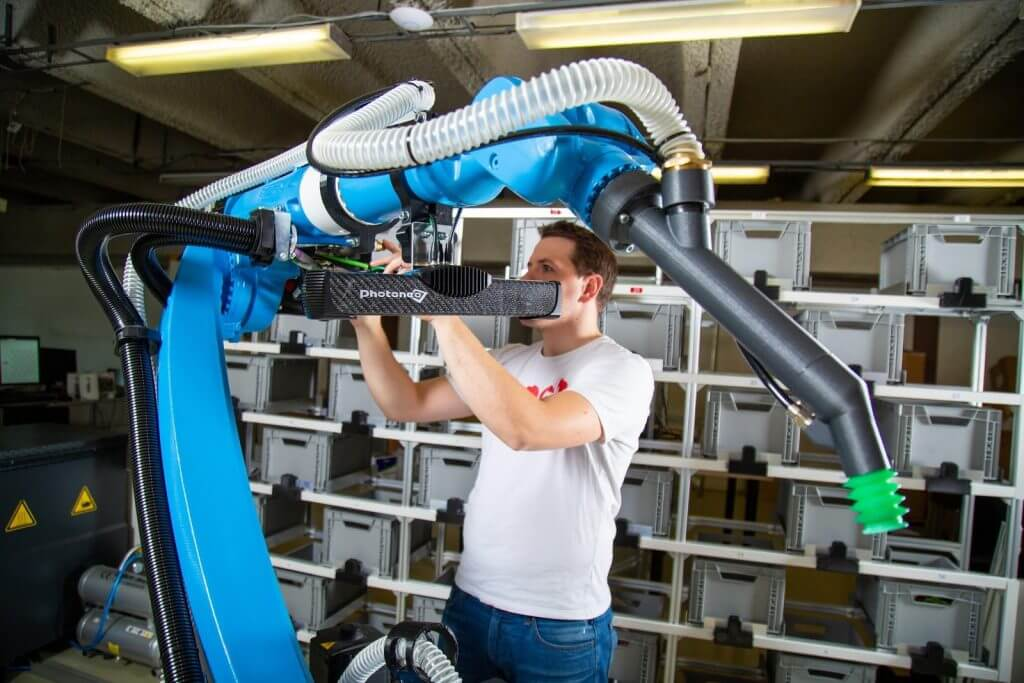
Humanoid Robots Face Hurdles as Versatile Warehouse Robots Take the Lead
Gartner Forecasts Slow Humanoid Adoption
According to a recent Gartner report, humanoid robots will mostly stay in pilot phases until 2028. Fewer than 100 firms will advance their tests beyond initial trials. Moreover, under 20 companies will deploy them in real-world manufacturing or supply chain roles. This slow progress highlights significant barriers to widespread use.
Why Humanoid Robots Struggle to Scale
These advanced robots face several major challenges. Technological and integration issues are primary constraints. High costs and substantial energy demands also hinder large-scale adoption. Therefore, their near-term impact on industrial automation remains limited.
The Rise of Polyfunctional Robots
In contrast, polyfunctional robots are gaining traction in warehouses. These systems feature practical designs like wheels and versatile sensors. They excel in adaptability, throughput, and overall cost-effectiveness. Consequently, they are outperforming humanoid models in dynamic logistics environments.

Leading Humanoid Robot Developers
The market features several key players advancing humanoid technology. Tesla is developing its Optimus robot for factory tasks. Boston Dynamics plans mass production of its Atlas robot by 2028. Other notable companies include Figure AI, Agility Robotics with its Digit model, and Apptronik, which is piloting its Apollo robot with Mercedes-Benz.
Polyfunctional Robots in Action
Several companies are demonstrating the power of task-focused automation. Amazon Robotics uses its Vulcan robot for complex picking. Boston Dynamics’ Stretch unloads trailers efficiently. Furthermore, Brightpick and Vecna Robotics offer mobile robots that navigate and handle goods autonomously. These solutions provide reliable, high-uptime operations.
Strategic Advice for Adopters
Gartner advises supply chain leaders to proceed carefully. Companies should start with pilot programs and partner with emerging providers. Continuous performance monitoring is essential. Most importantly, focus on outcome-driven automation. For the majority of firms, polyfunctional robots will deliver better throughput per dollar invested.
Industry Analysis and Outlook
The current trend favors specialization over human-like form. While humanoids capture imagination, practical robots solve today’s warehouse challenges. The industry shift is towards flexible, multi-task machines. This approach delivers faster ROI and integrates more smoothly into existing workflows.
Practical Application Scenarios
Consider a large distribution center facing labor shortages. Deploying a fleet of mobile manipulator robots can automate case picking and transportation. These robots work alongside existing automated storage systems. As a result, the facility boosts productivity without major infrastructure changes. This scenario demonstrates the pragmatic value of polyfunctional automation.

FAQs: Industrial Automation Robotics
What are polyfunctional robots?
Polyfunctional robots are machines designed for multiple tasks. They often use wheels and versatile arms instead of a human-like body.
Why aren’t humanoid robots widely used yet?
They face high costs, complex integration, and energy challenges. Most remain in pilot testing stages.
Which companies lead in warehouse robotics?
Amazon Robotics, Boston Dynamics (Stretch), and Vecna Robotics are key providers of proven warehouse automation.
What should a company consider before investing?
Evaluate task requirements, integration complexity, and total cost. Piloting solutions first is highly recommended.
What is the future of humanoid robots?
They may find niche roles in complex human environments. However, task-optimized designs will likely dominate logistics for the foreseeable future.

 No products in the cart.