
Bridging the Talent Gap in Automotive Automation
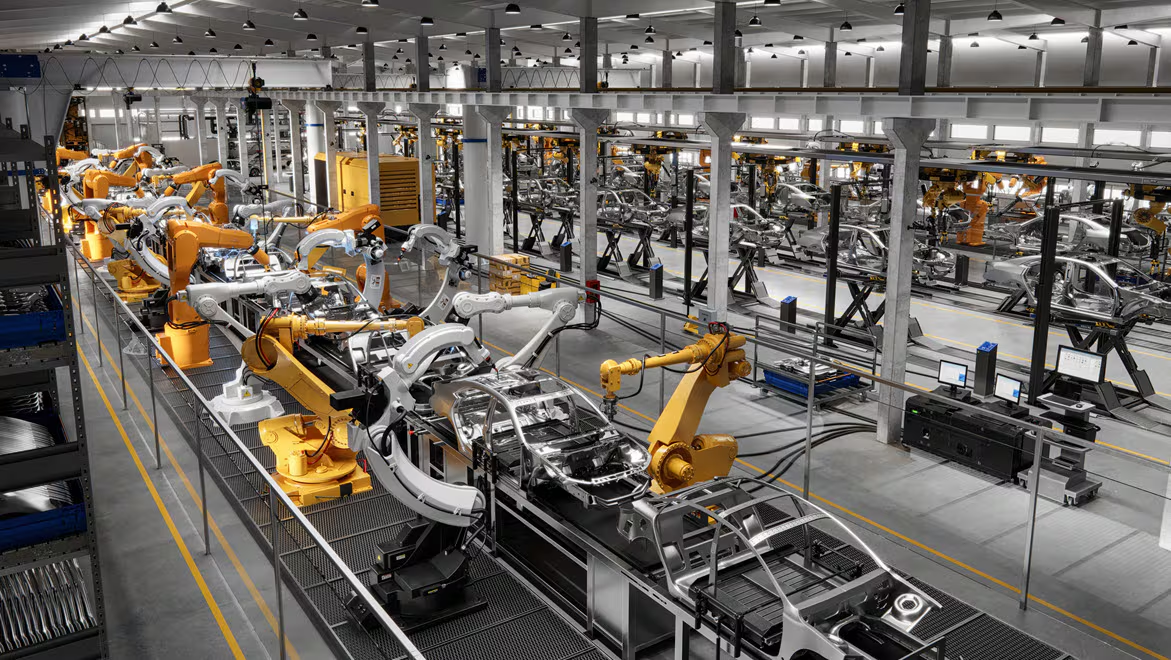
The push toward fully automated vehicle production is hitting a major obstacle: a deepening deficit of qualified engineers. Modern assembly plants depend on interconnected robotics, artificial intelligence, and advanced control networks. However, the need for experts who can manage these systems is growing faster than the talent pool. This gap threatens production efficiency and the return on investment for new technology. Therefore, winning in this field requires more than advanced hardware. It demands a strategic focus on human capital development.
The Changing Skillset for Modern Plant Engineers
Contemporary automotive facilities are complex technological environments. The manufacturing engineer’s role has evolved dramatically. It no longer involves simple machine supervision. Instead, engineers must integrate entire systems. Their duties include programming robotic cells, diagnosing issues in PLC and DCS networks, and calibrating AI-based inspection tools. This new reality calls for a blend of deep theoretical knowledge and hands-on skill. Unfortunately, traditional education cycles struggle to keep pace with the velocity of technological change in factory automation.
The High-Demand Crisis: Controls and Robotics Experts
A critical shortage exists in controls engineering. These specialists are the essential link between mechanical systems and intelligent operation. They ensure seamless coordination between robots, conveyors, and actuators. In key automotive regions like Michigan and the American South, open positions remain vacant for months. Consequently, this shortage causes project delays. It also increases reliance on expensive external system integrators and heightens launch risks for new vehicle programs.
Proactive Strategies to Build Engineering Talent
Leading manufacturers are implementing multifaceted plans. They aim to build, acquire, and retain crucial talent rather than just hiring reactively.
Investing in Upskilling and Internal Mentorship
Waiting for perfect external candidates is ineffective. Therefore, companies now prioritize upskilling their current workforce. Successful models pair less experienced engineers with seasoned mentors on active projects. This hands-on approach transfers vital institutional knowledge about specific plant systems. For instance, a trainee might commission a new robotic welding cell under guidance. They learn both the robot programming and its integration with the plant’s main control systems from brands like Rockwell Automation or Siemens. This method builds practical competency faster than theoretical training alone.
Forging Partnerships with Educational Institutions
Automakers are collaborating with technical colleges to create talent pipelines. Programs in robotics, mechatronics, and industrial networking are essential. Moreover, OEM-specific credentials add significant value. Certifications like the GM GCCM (Global Controls and Automation Certification) provide directly applicable skills. Supporting employees in earning these credentials is a powerful retention tool. It also builds immediate internal capability for complex control systems projects.
The Critical Role of Employee Retention
Retaining a skilled engineer is more cost-effective than recruiting a new one. Retention hinges on factors beyond salary. Engineering talent seeks clear career paths, continuous learning, and meaningful recognition. Companies that foster a culture of innovation see higher engagement. Providing access to cutting-edge tools, like Emulate3D for simulation, is also key. Regular feedback and showing how their work impacts production goals are crucial for morale and long-term commitment.
Author’s Perspective: Expertise as the Ultimate Advantage
The future of work isn’t about humans versus machines. In automotive manufacturing, it’s about synergy. Machines define production potential, but engineers determine the actual outcome. A state-of-the-art robotic cell is only as good as the team that programs and optimizes it. The automakers leading beyond 2026 treat talent development with the same priority as capital investment. They understand technology is a tool, and expertise is the craftsman. Therefore, the sustainable edge lies not in having the most robots, but in having the most capable engineers.
Application Scenario: Creating a Sustainable Talent Pipeline
A major OEM faced delays at its new EV battery plant due to a lack of controls engineers. The company launched a three-part initiative. First, they partnered with a local college for a co-op program in PLC programming. Second, they created an internal “expert-in-training” rotation for plant technicians. Third, they established a clear technical career ladder with rewards for automation proficiency. As a result, within 18 months, they cut external dependency by 40%. System uptime also improved due to more knowledgeable and engaged staff.
Frequently Asked Questions (FAQ)
Q1: What are the hardest engineering roles to fill in automotive today?
A: Controls Engineers, Robotics Integration Specialists, and Manufacturing Systems Engineers are in highest demand. Expertise in specific platforms like Siemens SIMATIC or Rockwell ControlLogix is particularly valuable.
Q2: How can a smaller supplier compete for scarce automation talent?
A: Focus on niche expertise and offer compelling project work. Smaller firms can often provide faster career growth and broader responsibility, which appeals to many engineers seeking hands-on experience.
Q3: Which certifications boost an engineer’s value immediately?
A: Industry-recognized credentials are key. These include GM’s GCCM, Rockwell Automation’s Certified Controls Professional, or Siemens’ Mechatronic Systems Certification. They signal practical, applicable knowledge to employers.
Q4: How long does it take to upskill a mechanical engineer into a controls engineer?
A: With structured mentorship and project work, foundational competence is achievable in 12-18 months. However, full proficiency typically requires 2-3 years of applied, hands-on experience with industrial automation systems.
Q5: How does the talent shortage affect Industry 4.0 adoption?
A: It significantly slows progress. Projects involving digital twins or large-scale IIoT implementation are often delayed. The main hurdle is a lack of engineers who can effectively bridge the gap between information technology and operational technology on the plant floor.

 No products in the cart.