
The UK’s Humanoid Robotics Surge: Near-Term Impacts for Industrial Automation
From Trillion-Dollar Forecasts to Present-Day Factory Floors
The global humanoid robotics market is set for explosive growth, potentially reaching a multi-trillion-dollar valuation in the coming decades. For the UK’s industrial sector, this is not just a future projection. It is a present-day driver of transformation in manufacturing processes, automation integration, and workforce planning. Companies must now assess their readiness for this new wave of factory automation.
Converging Demand: Homes and Factories
Early adoption is gaining traction in household settings. Analysis suggests domestic applications could account for a significant portion of the initial market, helping to scale production and reduce unit costs. This trend is crucial for making advanced robotics viable for broader industrial automation.
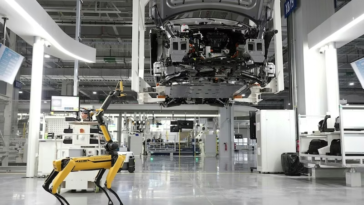
Simultaneously, enterprise adoption is accelerating. A key IEEE study notes that UK technology leaders are integrating robotics with digital twin simulations and extended reality (XR). In practice, this means humanoid robots are being trialed for precise, repetitive, or hazardous tasks in warehouses and on assembly lines. They function as collaborative tools within a larger control systems ecosystem, enhancing safety and efficiency.
Redefining Engineering Expertise and System Design
The rise of these technologies is reshaping required engineering skills. Proficiency in programming collaborative robots (cobots) and interpreting data from live digital twin models is becoming standard. Furthermore, expertise in configuring PLC (Programmable Logic Controller) and DCS (Distributed Control System) networks to interface with advanced robotics is now a high priority for hiring managers. This shift moves the engineering role from manual troubleshooting to systemic optimization.
Author’s Insight: The integration layer between traditional control systems like PLCs and intelligent humanoid platforms will be a critical battleground. Companies that develop seamless communication protocols will gain a significant operational advantage.
Practical Application and Solution Scenarios
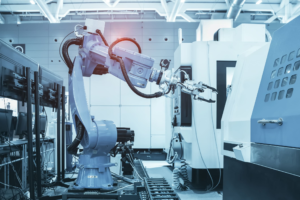
Consider a automotive parts manufacturing line. A digital twin of the entire process simulates the introduction of humanoid robots for final assembly verification. Once deployed, these robots, managed by a central DCS, perform intricate visual inspections. They feed real-time quality data back into the twin, creating a continuous loop of improvement. This scenario reduces defects and minimizes production downtime.
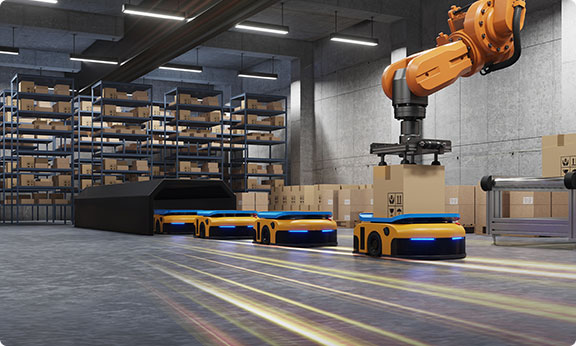
Another application is in high-bay logistics warehouses. Humanoid robots equipped with advanced mobility can navigate spaces designed for humans, performing inventory picking in hazardous high-altitude areas. Their actions are coordinated by a overarching warehouse control systems software, ensuring harmony with automated guided vehicles (AGVs) and human staff.
Navigating the Transition: Recommendations for Industry Leaders
Firstly, invest in foundational factory automation infrastructure that is modular and scalable. Secondly, prioritize cross-training for current engineers in robotics programming and data analytics. Thirdly, initiate pilot projects with clear ROI metrics, such as using a digital twin to de-risk the integration of a single robotic station before full-scale deployment. Partnering with established automation solution providers can accelerate this learning curve.
FAQ: Humanoid Robotics in Industrial Automation
Q1: How do humanoid robots integrate with existing PLC and DCS systems?
A: They typically communicate via industrial Ethernet protocols (e.g., EtherCAT, PROFINET). The robot acts as an intelligent node on the network, receiving high-level instructions from the DCS and sending sensor data back, while local safety and logic are often handled by peripheral PLC units.
Q2: Are humanoid robots a replacement for traditional industrial arms?
A: Not directly. They serve different purposes. Traditional robots excel at fast, precise, fixed-location tasks. Humanoids offer mobility and dexterity for unstructured environments, complementing the existing automation mix.
Q3: What is the primary role of a digital twin in this context?
A: The digital twin is used for simulation, testing, and optimization before physical deployment. It also serves as a real-time performance monitor and diagnostic tool during operation, predicting maintenance needs.
Q4: What are the biggest skill gaps for engineers?
A: The main gaps are in cross-domain systems integration, AI and machine learning fundamentals applied to robotics, and advanced programming for human-robot collaboration scenarios.
Q5: Is the UK industry prepared for this shift?
A: Awareness is high, as surveys indicate. However, preparedness varies. Leaders are running pilot projects and upskilling teams, while others are in the early planning stages. Building internal expertise or securing reliable partners is key.

 No products in the cart.