
The Future of Auto Repair: Human Expertise Meets Automation
The Irreplaceable Human Role in a High-Tech Industry
Automotive service is undergoing a profound transformation. While automation handles repetitive physical tasks, the repair process fundamentally depends on skilled human professionals. These experts manage complex data, provide crucial customer interaction, and deliver the final quality assurance. Industry leaders recognize this shift. Dave Johnson, ASE President and CEO, emphasizes a critical moment for proactive investment in workforce development. He states that shaping future training today will build a stronger, more resilient transportation service industry for decades.
Technology as an Enabler, Not a Replacement
Advanced technology promises to revolutionize automotive repair. It aims to eliminate traditional consumer frustrations like long wait times for estimates and parts. However, the move towards complex, interconnected vehicle systems creates a greater need for specialized human skills. This evolution fosters new, high-value roles rather than eliminating jobs. The optimal model is a hybrid system where robots perform defined physical work, and certified professionals oversee logistics, complex decision-making, and customer trust.
Chapter 1: The Digital Accident Response
A quiet intersection becomes the scene of a minor collision. A self-driving vehicle, “Aurora,” is struck. While the physical damage is minimal, the vehicle’s systems spring into action instantly. It stabilizes itself, contacts emergency services, and runs full diagnostics. The car then initiates an autonomous towing protocol, directing itself onto a transporter. All data transmits seamlessly to the owner, Mr. Smith, and his insurance provider. This automated response removes immediate stress and delay. For Mr. Smith, a classic car enthusiast, the efficiency is impressive. His confidence is secured upon arrival at the repair facility, where the ASE Blue Seal of Excellence signifies the certified expertise needed for his vehicle’s complex systems.
Chapter 2: The Precision of Automated Repair Logistics
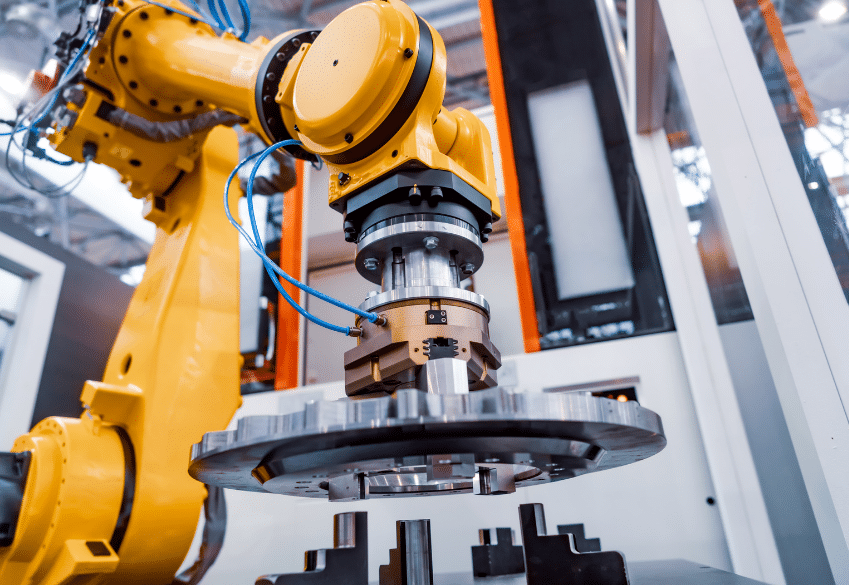
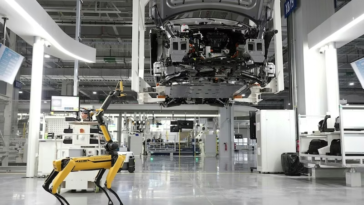
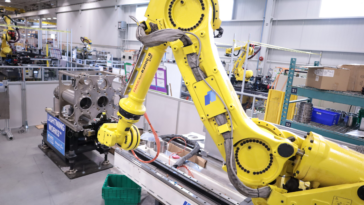
The repair facility operates with clean, quiet efficiency. The vehicle self-parks in a designated bay. A high-definition 3D scan instantly creates a damage map. An AI system generates a precise estimate, including parts, time, and cost, receiving near-instant insurance approval. Robotic arms then execute the heavy, repetitive work—cutting and removing the damaged panel with flawless consistency. This automation connects directly to the supply chain. An ASE-certified parts professional at a local store verifies the digital order and prepares the correct component. A delivery drone then transports the part directly to the shop, where robots install it to exact factory specifications. This seamless flow demonstrates peak operational efficiency.
Chapter 3: The Consultant: Bridging Technology and Trust
During the physical repair, ASE-certified service consultant Elena meets with Mr. Smith. She translates the technical process into a reassuring customer experience. Using a real-time holographic display, she provides a precise completion timeline and coordinates a rental vehicle. Elena explains how automation reduces estimation errors and parts delays. However, she stresses that empathy, clear communication, and expert oversight remain irreplaceable human strengths. The ASE Blue Seal, she notes, validates both technical skill and these critical customer-service competencies, giving shops a competitive edge.
Chapter 4: The Final Human Verification
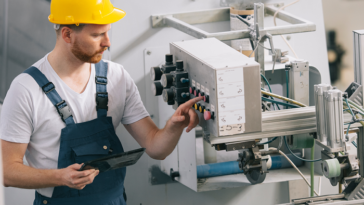
The repair concludes exactly on schedule. Mr. Smith’s vehicle is restored to perfect condition. The service report is succinct, noting only a “fender replacement and system recalibration.” Crucially, it lists two hours of human labor. These hours belong to the ASE-certified master technician who performed the ultimate quality assurance. Their expert knowledge was used to verify every system’s function and safety, performing checks that automation cannot yet fully replicate. This final human sign-off provides the essential confidence for the customer to drive away safely.
Epilogue: The Enduring Value of Certification
The automotive future integrates automated logistics with essential local expertise. Certified technicians are more vital than ever. They move from performing every manual task to managing, overseeing, and validating advanced systems. Professional certifications like those from ASE become the key benchmark for specialized skills. They make professionals highly attractive to employers and instill critical trust in customers navigating an increasingly technological landscape.
Practical Applications for Modern Shops
For shop owners and managers, integrating this hybrid model starts with strategy. Invest in diagnostic tooling and technician training for data and network systems. Redefine roles to emphasize customer consultation and final verification. Partner with suppliers who support agile, tech-enabled logistics. Furthermore, prominently promote your team’s certifications as a core competitive advantage. This approach future-proofs your business, ensuring you provide the efficiency customers desire with the trusted expertise they demand.
FAQ: Automation and Expertise in Auto Repair
Q: Will automation put automotive technicians out of work?
A: No. Automation is reshaping the role, not replacing it. Demand will grow for technicians skilled in data diagnostics, system calibration, and overseeing automated processes, making certification more valuable.
Q: What is the biggest benefit of automation for repair shops?
A> It increases predictability and efficiency in parts logistics and repetitive physical tasks, reducing cycle time and allowing human experts to focus on complex problem-solving and customer service.
Q: How do certifications remain relevant with self-diagnosing cars?
A> Certifications validate the advanced expertise needed to interpret vehicle data, manage repair logistics, and perform the critical safety verifications that machines cannot. They are a signal of adaptability.
Q: What should a shop owner prioritize investing in first?
A> First, invest in ongoing technician training for network systems and data analytics. Second, implement shop management software that integrates with vehicle telematics to streamline the estimate and parts-ordering process.
Q: How does this model improve customer satisfaction?
A> It combines the speed and consistency of technology with the empathy, communication, and trusted assurance of a human expert, addressing both the practical and emotional aspects of vehicle repair.
 No products in the cart.